


Every Olympic Games has approached sustainability the same way. Promoting the practise as a priority, but never implementing the right practices to uphold their goals.
With millions gathering each year, food waste is one of the biggest problems at the Olympics. How can such a large sporting event take proper measures to accurately source food?
175,000kg of food wasted at a single event
(332,500 kg carbon emissions wasted in Tokyo 2021)
Is equivalent to:
Running electricity for 81 years, in one home
1. Personalised onboarding
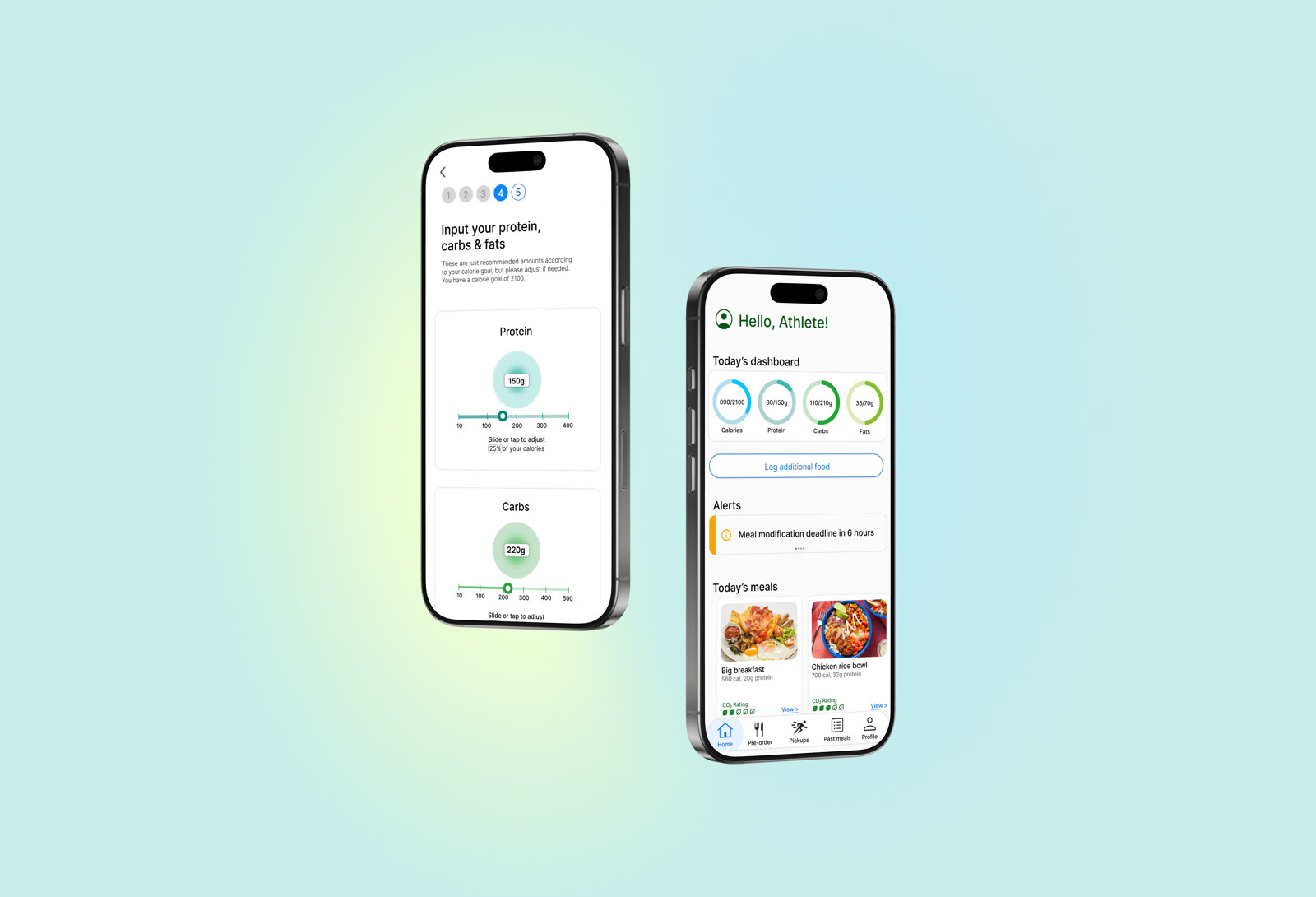
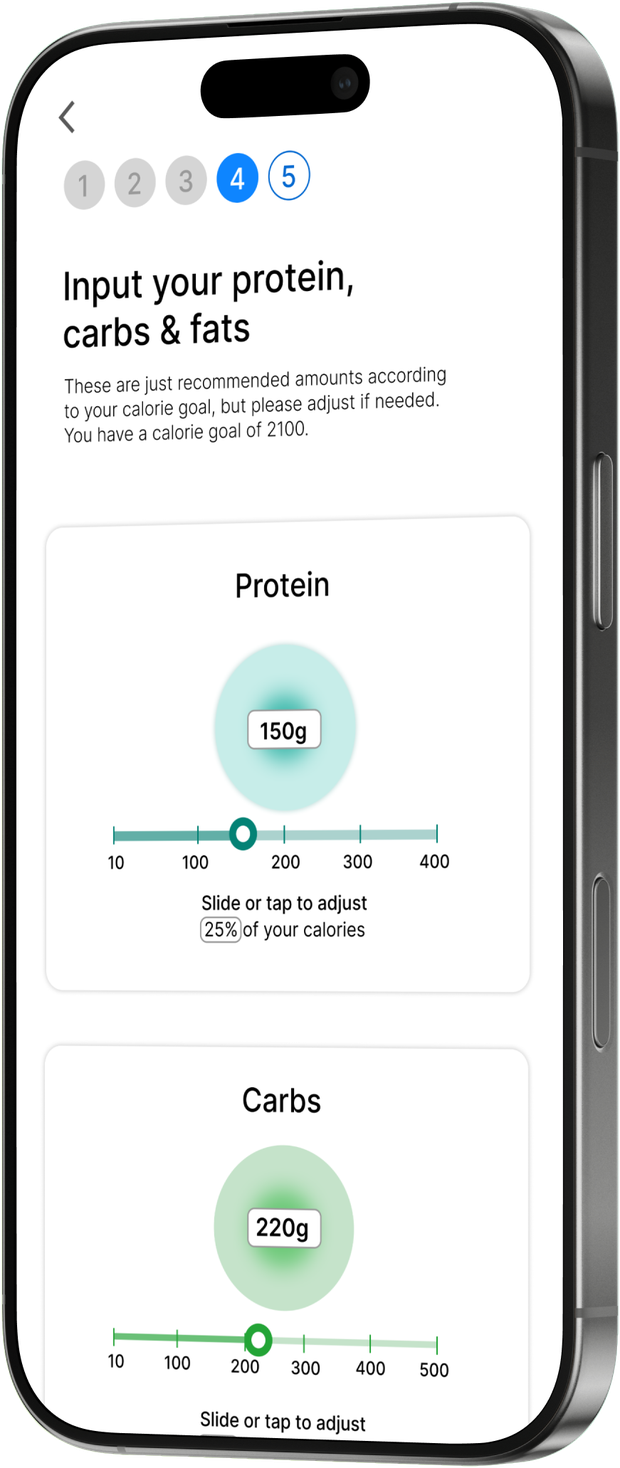
Athletes personalise their meals before pre-order by entering dietary requirements, receiving custom meal plans built for peak performance, while supporting more accurate sourcing for Olympic vendors.
2. Pre-ordering
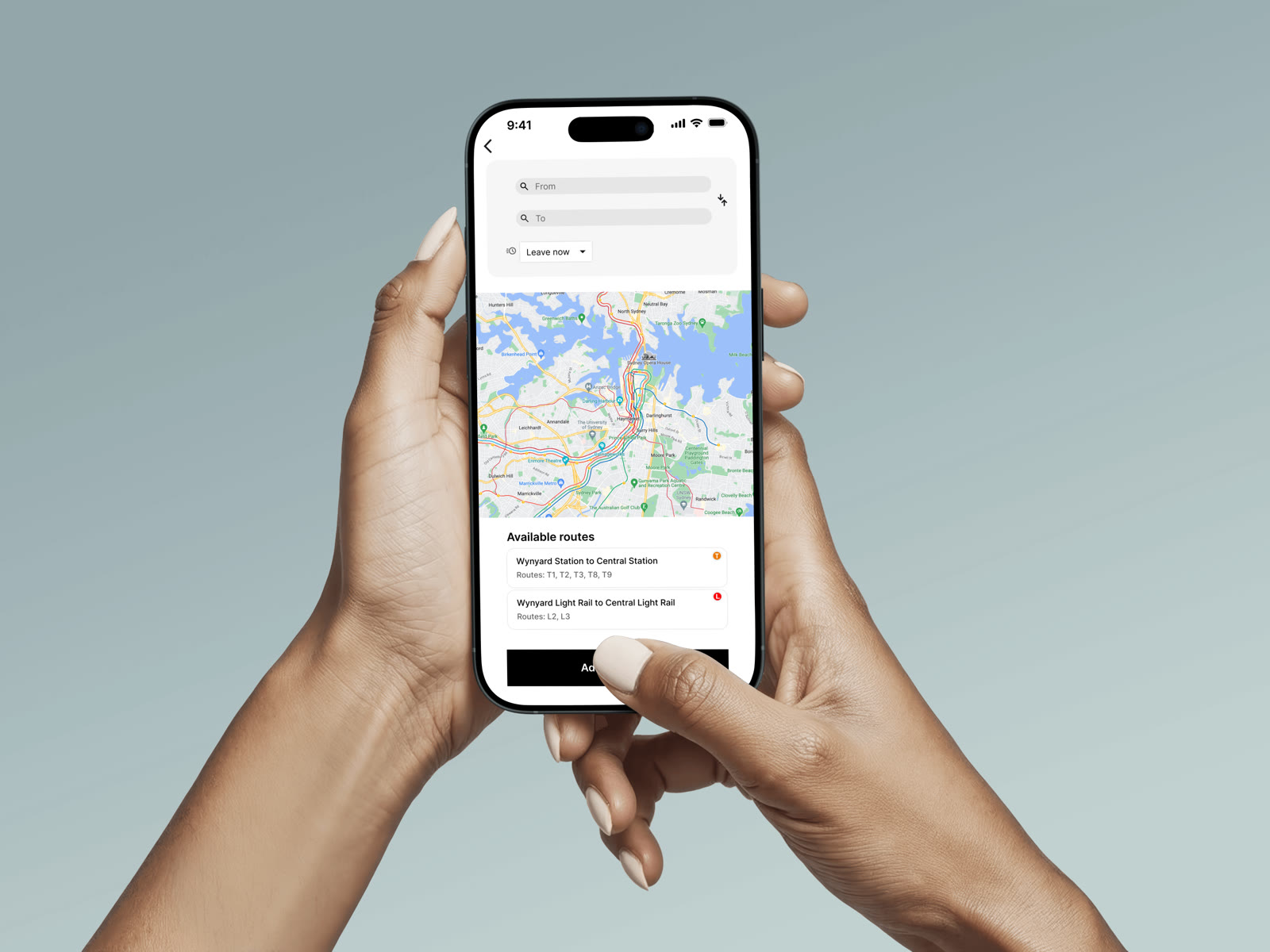
Vendors can prepare meals accurately and efficiently, cutting overproduction and waste. For athletes, pickup becomes quicker and more flexible, built to move around training and competition
3. Extra intake logging
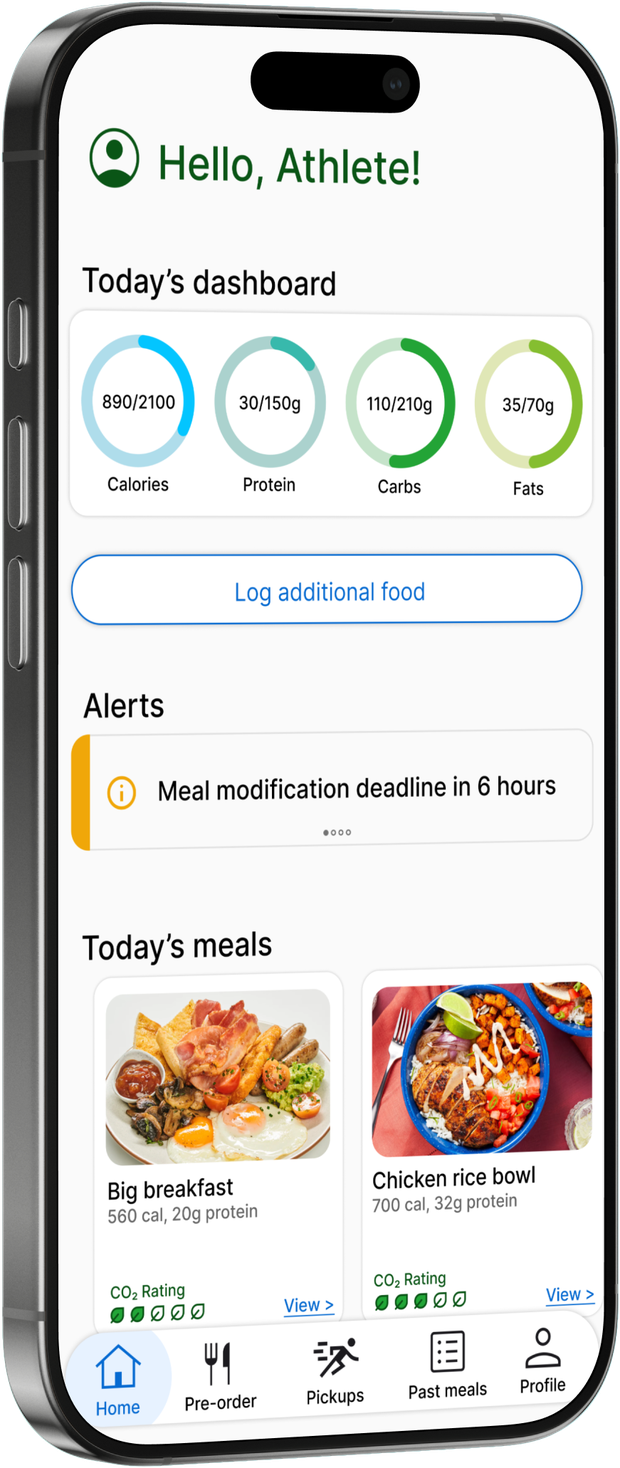
Athletes can log any additional food intake to keep their nutrition profile accurate, staying on top of performance goals even outside their scheduled meals.
4. Carbon footprint tracking
Athletes can edit their details and monitor their personal carbon footprint to see exactly how each meal choice adds up, and making informed decisions without sacrificing performance.
Why this solution
Convenience
Gives athletes control over every part of their dining experience.
Informative
Lets athletes track nutritional intake against their dietary goals.
Positive
Shows users their own impact when they choose sustainably.
Motivational
Tracks personal carbon emissions athletes can see and improve.
Equitable
Makes sure sustainability never comes at any one group's expense.
The scale of the problem
4,000 meals discarded at Paris 2024, despite efforts toward a fully plant-based, "carbon neutral" menu.
Inconsistent food management remains one of the Olympic committee's most persistent, unresolved problems.
Researching further
We analysed online conversations through social media and forums, surveyed and interviewed athletic individuals about their values surrounding Olympic sustainability. This helped us understand the problem under a new lens and provided us an opportunity to design a strategy that benefited both stakeholders.
Why pre-ordering works
We ideated rough directions through crazy 8s, brainstorming, and reversed thinking, then tested them against a decision matrix grounded in real user needs. Pre-ordering addresses the Olympics' resources issues the most. It helps clearly predict food demands without compromising what athletes need. A sustainability rating on every meal provides users an informative, sustainable choices without sacraficing performance.
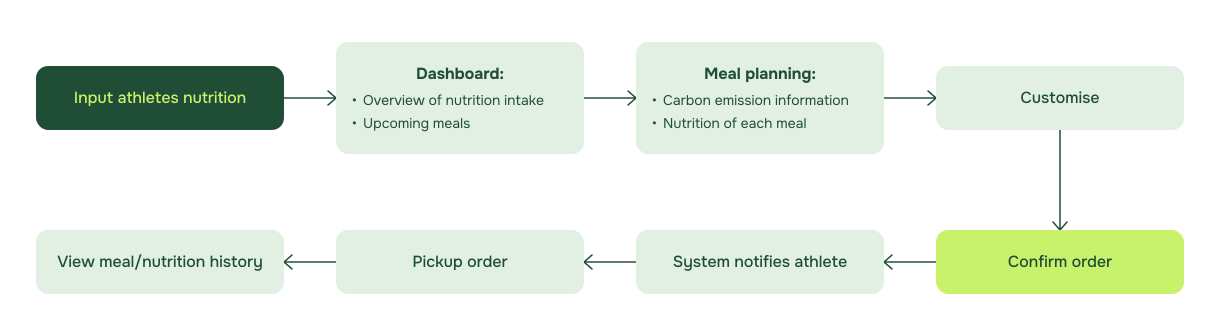
Input athletes nutrition
Dashboard:
- Overview of nutrition intake
- Upcoming meals
Meal planning:
- Carbon emission information
- Nutrition of each meal
Customise
Confirm order
System notifies athlete
Pickup order
View meal/nutrition history
Iterations made from testing
We had atheletic users to try our app, observed how they used them and got lots of valuable feedback.
Onboarding — The macro sliders had no point of reference
Users found the initial slider confusing as there was no point of reference to input their desired nutrition needs.
Personal info — Editing details was out of reach
Less than 50% of users were able to edit personal information for their macros.
Pre-order — Adding / swapping foods were unclear
The grams next to ingredients confused users about what information it provided, and the “add” and “swap” buttons were difficult to distinguish from one another.
Ominchannel interactions
We extended Elite Eats to the wrist, watch screens simplified the journey from order to pickup, so athletes can stay focused on training while still accessing nutrition and meal details, hands-free.

Reflection
Building resilience
Working with short academic deliverables was humbling. I'd never thought of myself as a leader before this project, but when our initial research approach wasn't yielding what we needed, that was the role that I naturally stepped into.
Embracing flexibility
Reassessing our methods meant organising the team, facilitating discussions, and assigning tasks to get us back on track. I understood that good outcomes depend on iteration as much as direction.
Refining myself
By the end, I'd built a stronger UX skillset and a confidence in leadership I hadn't expected. Embracing the harder parts of the project is what actually drove the growth in my design journey.